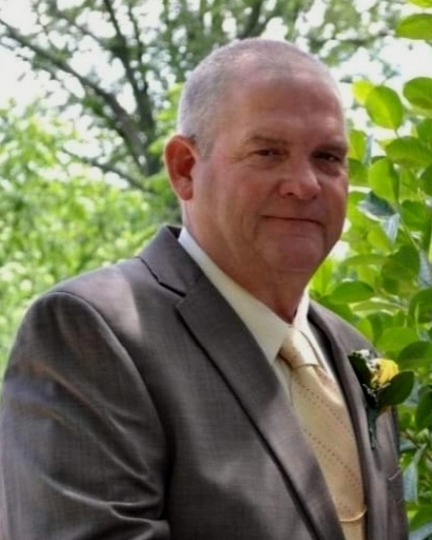
THE FOLLOWING IS A LOVING TRIBUTE TO MY MOTHER FROM HER SISTER-IN-LAW, NANCY, in celebration of her BIRTHDAY!
Most
sincerely, and with pleasant memory I can best express my affection for Wilma,
in four simple words and an added exclamation mark . . .
"I really liked Wilma!"
In my teenage years I paid little attention to family friendship. I suppose I
was 'too into myself' to notice what was happening in the lives of others; so I
don't recall any significant conversations with Wilma. But later, after
marrying and having children of my own, I matured enough to truly appreciate
visits with relatives.
Wilma was always friendly. She made me feel welcomed and 'at ease'. It seemed that there were never any of those awkward moments of silence when
you'd tax your brain to find something to say. Having a husband and six
kids gave Wilma a busy and purposeful life! So there was always some funny
little incident or mishap for her to mention; and she, in turn, gave others
engaged in the conversation their fair share of time to relate their stories as
well.
I loved her humor and remember well her frequent laughter. Even today, it brings a smile to my face when I remember her using a silly
little phrase: "Oh, for Peetee sakes!" Seems like she'd
commonly use that phrase in response to insignificant whimpering, complaining
or inconvenient mishaps. Once, she sent me a very humorous greeting card
with 'financial aid' enclosed from her and her kids. It was really a time
of sorrow for me, but the laughter brought on by the humorous card was like
medicine to a weary soul! I kept that card. Today I took it out of a drawer and
laughed heartily over it again😊. What a blessing it has been
to me!
Wilma also had a knack for laughing at our own ability to 'fumble' and
self-create difficult predicaments😄. Nevertheless, I saw in her a true concern for the hardships that confront all
of us 'now-and-then' ; and I know she reached out often to help family members
in the midst of their struggles.
I sadly regret her own serious health issues toward the end of her life and
wish that I had taken the time to write or call her once in a while during
those difficult days.
There is yet one more thing in tribute to Wilma I would like to mention . . .
and that is her cooking skills👍🏻. My children and I were
always delighted to be the recipients of her freshly baked dinner rolls with
cheese! Those rolls were WONDERFUL 🤗! They were, indeed, a 'comfort' food offered as a warm expression of her
hospitality.
And speaking just for myself, I thoroughly enjoyed her Jel-lo salad made with
grated carrots!
And lastly, I would say that I look joyfully forward to the coming great
reunion of our family in heaven.
The list of family members already there is long and growing longer. But when
we meet again in heaven, there will be no hardships to discuss and no sadness
to interrupt our joy!
Thank you, Aunt Nancy, for that loving tribute to my mother, and to all those who contributed to my post and the loving memories you all shared!
Writing a tribute to my dad brought
back so many wonderful memories.
The
things we did and the adventures we shared as kids growing up on a farm was, in
my opinion, the best way to grow into adulthood. We learned so much from both
our parents about hard work and responsibility.
We
had wide-open spaces to run and play, with LOTS of cousins to join us. We never
worried about checking in until we were hungry because our parents, aunts, and
uncles knew exactly where we were from the sounds of laughter and the screams.
Working
the farm was difficult but taught me about challenging work and accountability.
Twice
a day, every day, we had to milk the cows. Dad usually was the one who managed
the actual milking; the rest of us brought the cows up to the barn, fed them,
and made sure the troughs in the barnyard were filled with water.
It
always amazed me how intelligent the cows were. SERIOUSLY, they were really
smart! We would bring them from the pasture to the barn, and they would form
groups - the same groups every day. When we opened the barn door, the first
group would file in and walk into their own stalls. When the milking was
completed for the first group, and they were released into the barnyard on the
other side of the barn, the second group made their way in to be milked; and so
it went until every cow had been milked, fed, and released.
My
dad told me that wasn't intelligence; it was just dumb animals following what
the humans had taught them. But I still believe that, even though they may not
have been the intelligent bovines I imagined, they had to be smart enough to
learn that routine. I don't believe the cows, or any other animals, are dumb.
Maybe they act dumb, so we won't expect too much from them.
The
accountability lesson came one week when we children were put in charge of
feeding the chickens. There were six of us, so we all agreed to take one day
that week to do the job.
Well,
we would be so busy doing more important things during the day: playing hide
and seek or climbing trees; swimming in the creek, even though we were told
many times not to; playing cowboy.
Now,
you would think that at least one of the six of us would remember to take care
of the chickens; NOT ONE OF US DID OUR JOB. And quite honestly, by the time we
remembered what we were supposed to do, it was late, and the chicken yard was
dark. We would say to ourselves, "Someone else is responsible for
tomorrow; they'll take care of them. One day won't hurt."
Chickens in a hen house (borrowed by permission
Well, one day turned into six days; the
chickens were starving.
On
the seventh day, Mom went out to take care of the chickens. A few were
staggering around and falling over; most of them were already dead.
Mom
opened the big barrel of chicken feed to try and save some of them. Any hens
that still had the strength to move dove headfirst into the barrel. Mom
couldn't get them out quick enough to pour the grain into the feeders because
they kept jumping back in, so finally she just dumped the barrel over. Chickens
ended up buried under the grain on the floor. Mom said as she and her sister
started digging from the top, the chickens were eating their way out from the
bottom!
We
lost nearly the whole flock that day. I don't remember what our punishment was
for that careless act. I tend to block out upsetting memories. But I am sure we
got exactly what we deserved, so it must have been a good one!
Baling
hay and storing it in the barn was also a treat. Once the hay was baled and
brought back to the barnyard, that's when the fun began. To get the hay into
the top of the barn, also known as the "haymow", Dad would put big
claws into a stack of four bales. The hooks were attached to a long rope that
ran through a pulley system that was hooked above the door of the haymow and
then down to a tractor. Mom was usually the one driving the tractor. As she
drove forward, the bales were pulled up to the door where two helpers would
grab the bales. Someone would shout "STOP"; the person driving the
tractor would make a rapid halt, the hooks were released, and the bales would
fall into the haymow, where the helpers would stack them with the rest of the
bales.
I
rode on that tractor with my mom...once. When the "STOP" came, Mom
quickly lifted her foot off the gas pedal which stopped the tractor with a hard
jerk. I lost my balance, fell off the back, and landed hard on my face. I
looked like someone had punched me in the nose. It was broken and bleeding, and
my whole face was one big bruise! I never got on that tractor again.
Shelling
corn; what an adventure! If you never lived on a farm, or if you are a
millennial, you probably have never heard anything about shelling corn. We
don't have anything like that on most farms anymore. It's a bygone adventure;
let me explain it to you.
First
of all, field corn in the old days was picked off the cornstalks by a machine
(called the picker, of course) drawn by a tractor. This machine would collect
the ears of corn from the stalks; the ears were still dressed in their finest
leaves which wrapped tightly around the corn. Also, they were adorned on top
with their fancy silk hair between the ear and the husks.
All
of this - the husks, the silk, and the cobs inside - had to be removed to get
the corn out.
The
ears of corn were stored in a corn crib - a wooden building with a shoot at the
top where the corn would be poured after it was harvested. To get the corn back
out, there were little doors along the bottom of the crib that were raised. The
corn was pulled out and dropped onto a conveyor belt that would haul the corn
to a sheller - the machine that took everything off of the corn cob. With
shoots attached and situated over three ton trucks, the process began.
Three
to four people would open those small doors and start dragging out the corn to
the conveyor belt. The corn traveled along that belt until it reached the
thresher. Once the corn was dumped into the machine, the magic began. How that
machine knew what to do I never learned. But it knew which truck to put the
corn in, which truck the shucks should be dumped into; it even knew that the
third truck must become the new temporary residence of the cobs.
As
the level of corn in the crib began to drop, it was harder to get the corn out
to the belt. Someone had to crawl up into the crib to push the rest of the corn
out. That usually meant my brothers and me.
You
meet all kinds of lovely critters living amongst the corn. Corn snakes. Spiders
- giant ones. Mice. And an occasional rat that would run up your leg to say
"hi"! Lots of fun was to be had in a corn crib.
Well,
that's enough fun for today. I have a ton of memories to share with you, but I
don't want to put you to sleep. I will just end this post with a wish for all
of you, especially the young ones still finding their way, to do what you love
and enjoy life as much as you can.